
Transform Your Floors with Professional Tiling Solutions
- Aaron Polite
- Dec 15, 2025
- 4 min read

When it comes to home improvement, flooring is often an overlooked aspect. Yet, the right flooring can transform a space, adding both beauty and functionality. Tiling, in particular, offers a durable and stylish solution for various areas in your home. Whether you're renovating your kitchen, bathroom, or living room, professional tiling solutions can elevate your interiors to a whole new level.
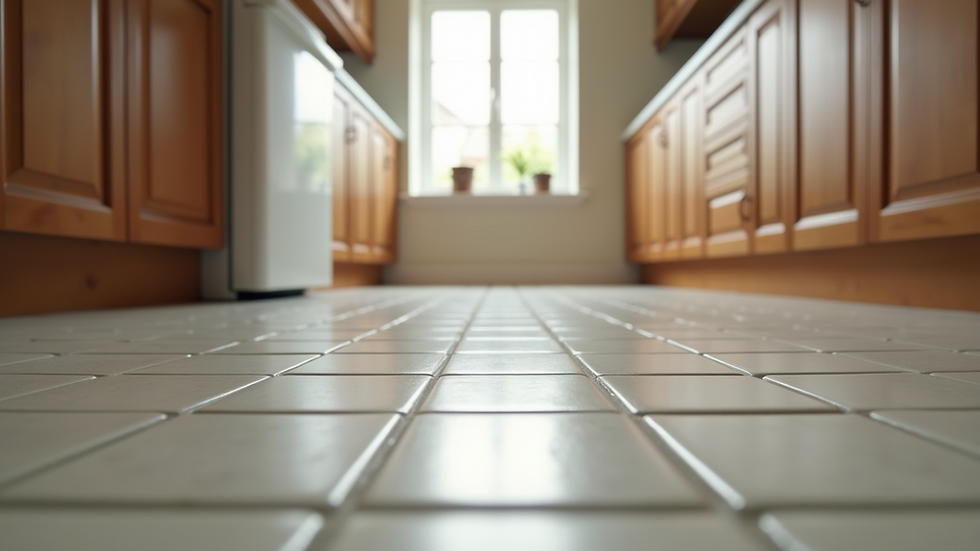
Understanding the Benefits of Tiling
Tiling is not just about aesthetics; it brings a host of practical benefits that make it a popular choice among homeowners. Here are some key advantages:
Durability: Tiles are known for their strength and longevity. They can withstand heavy foot traffic and are resistant to scratches and stains.
Easy Maintenance: Unlike carpets or hardwood floors, tiles are easy to clean. A simple sweep and mop can keep them looking new.
Variety of Designs: Tiles come in a wide range of colors, patterns, and materials, allowing you to customize your space according to your style.
Water Resistance: This makes tiles an ideal choice for bathrooms and kitchens where moisture is a concern.
Energy Efficiency: Tiles can help regulate indoor temperatures, keeping your home cooler in summer and warmer in winter.
Choosing the Right Tiles
Selecting the right tiles for your project can be overwhelming given the vast options available. Here are some factors to consider:
Material Types
Ceramic Tiles: Affordable and versatile, ceramic tiles are suitable for various applications. They come in glazed and unglazed varieties.
Porcelain Tiles: Denser and more durable than ceramic, porcelain tiles are ideal for high-traffic areas and outdoor spaces.
Natural Stone Tiles: Options like marble, granite, and slate offer a luxurious look but require more maintenance.
Glass Tiles: Perfect for backsplashes, glass tiles add a modern touch and reflect light beautifully.
Size and Shape
Tiles come in various sizes and shapes, from small mosaics to large format tiles. Consider the size of the room and the visual effect you want to achieve. Larger tiles can make a small space feel bigger, while smaller tiles can add intricate detail.
Color and Pattern
Think about the overall color scheme of your home. Neutral colors can create a calming atmosphere, while bold patterns can serve as a focal point. Don’t hesitate to mix and match different tiles for a unique look.
Preparing for Installation
Once you've chosen your tiles, the next step is preparation. Proper preparation is crucial for a successful tiling project.
Assessing the Subfloor
Ensure that your subfloor is clean, dry, and level. Any imperfections can affect the installation and longevity of your tiles. If necessary, repair any cracks or uneven areas before proceeding.
Gathering Tools and Materials
You'll need specific tools for the installation process, including:
Tile cutter or wet saw
Trowel
Level
Grout float
Spacers
Safety gear (gloves, goggles)
Hiring Professionals vs. DIY
While some homeowners may opt for a DIY approach, hiring professionals can save time and ensure quality. Experienced tilers understand the nuances of installation, from cutting tiles to applying grout, resulting in a flawless finish.
The Installation Process
Understanding the installation process can help you appreciate the craftsmanship involved in professional tiling solutions.
Layout Planning
Before laying tiles, create a layout plan. This involves measuring the space and determining the best starting point. A well-planned layout minimizes waste and ensures a balanced look.
Applying Adhesive
Using a trowel, apply tile adhesive to the subfloor. Work in small sections to prevent the adhesive from drying out before you place the tiles.
Laying the Tiles
Begin laying the tiles according to your layout plan. Use spacers to maintain even gaps between tiles for grout. Press each tile firmly into the adhesive, ensuring they are level.
Grouting
Once the tiles are set, it’s time to apply grout. Use a grout float to fill the gaps between tiles, wiping away excess grout with a damp sponge. Allow the grout to cure as per the manufacturer's instructions.
Sealing
For certain types of tiles, especially natural stone, sealing may be necessary to protect against stains and moisture. Follow the manufacturer's guidelines for the best results.
Maintaining Your Tiled Floors
To keep your tiled floors looking their best, regular maintenance is essential. Here are some tips:
Regular Cleaning: Sweep or vacuum regularly to remove dirt and debris. Mop with a mild detergent to maintain shine.
Address Spills Promptly: Clean spills immediately to prevent staining, especially on porous tiles.
Reapply Sealant: Depending on the type of tile, reapply sealant every few years to protect against moisture and stains.
Common Mistakes to Avoid
Even with the best intentions, mistakes can happen during a tiling project. Here are some common pitfalls to avoid:
Skipping Surface Preparation: Failing to prepare the subfloor can lead to uneven tiles and cracks.
Ignoring Layout Planning: A poorly planned layout can result in awkward tile placements and wasted materials.
Using the Wrong Adhesive: Ensure you select the appropriate adhesive for your tile type and installation area.
Neglecting Grout Maintenance: Dirty or cracked grout can detract from the overall appearance of your tiled floors.
Conclusion
Transforming your floors with professional tiling solutions can significantly enhance the beauty and functionality of your home. By understanding the benefits of tiling, choosing the right materials, and following proper installation and maintenance practices, you can enjoy stunning floors that stand the test of time. Whether you decide to tackle the project yourself or hire professionals, the results will undoubtedly elevate your living space.
Take the first step towards your flooring transformation today. Explore your options, gather your materials, and get ready to enjoy the beauty and durability that professional tiling solutions can bring to your home.


Comments